|
|
|
|
Subscribe to blog
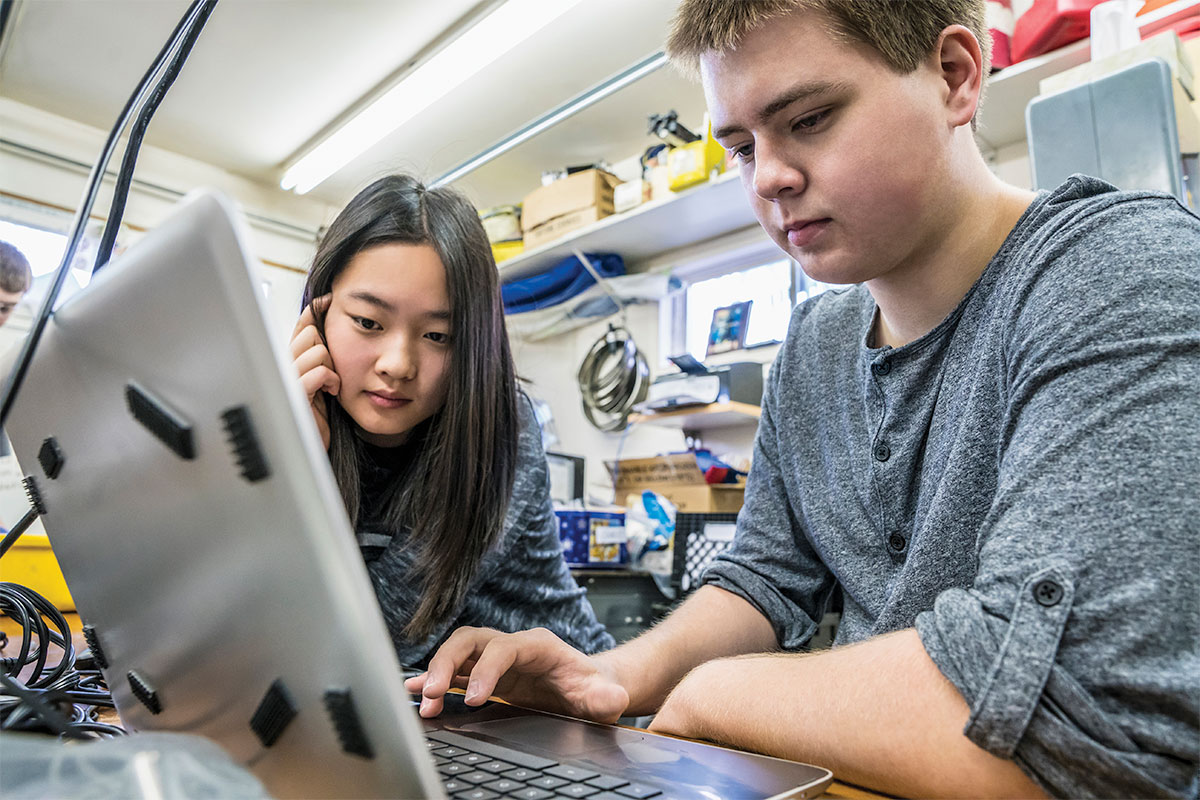
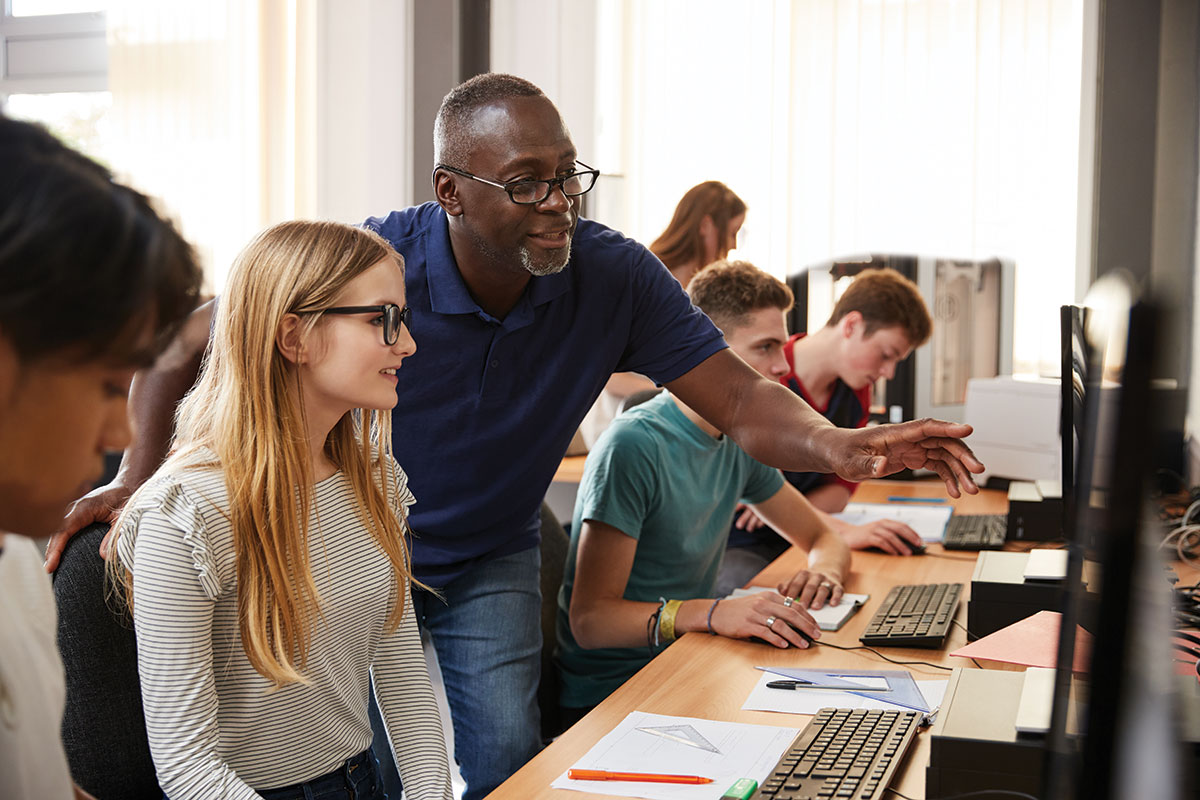
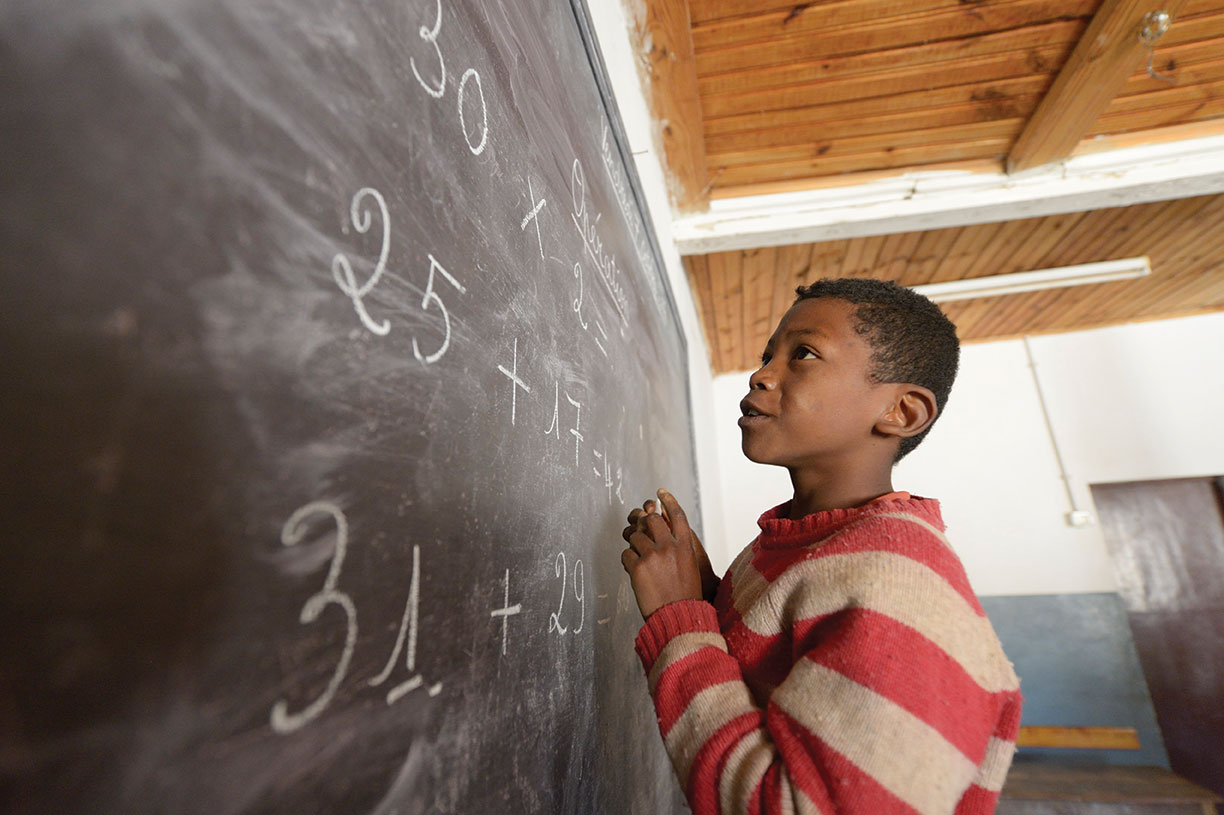
VARtek BlogBenefits of a Flipped ClassroomHave you ever tried to do a complex task while other people were watching you? I'm sure we've all had moments like this. My first experience with this was when I was doing my student teaching. I remember standing at the blackboard (Yes a blackboard...not a whiteboard) demonstrating to my students how to do a math problem. I had planned my accounting lesson well, and what I was demonstrating was simple math. But when I stood in front of those 9th graders, I froze. My students were amused. Why doesn't it occur to us that this same thing is happening in many K-12 classrooms to our students? Imagine being a student, sitting there with 30 or so of your peers, trying to solve some of the most complex math equations most people will ever have to solve in their lives. I'd be scared to death or at least extremely uncomfortable! Furthermore, imagine that you have an adult standing over you saying "Do you understand this? It's going to be on the test later." Yikes! That story is the foundation of an emerging trend in K-12 education, and it's called the "flipped classroom". Basically, the flipped classroom model means that teachers make videos of their lectures, post them online, and then have their students watch the lectures at home. The next day when the students are at school, they run through example problems and have the students collaborate on their work. This way, what is normally homework gets completed at school, and the usual classroom lecture is absorbed by the students at home. The teacher becomes the guide on the side and the students are engaged in their learning. This format for the class is labeled a "flipped classroom". The flipped classroom model has several advantages:
While the concept of a flipped classroom is still new, it is already showing results. A study published in Science last spring shows that a group of undergrads enrolled in a flipped classroom came away with "increased student attendance, higher engagement, and more than twice the learning" as compared to the regular, control class. Although flipped classes are certainly not the solution to every issue in K-12 education, we here at VARtek support any use of technology that helps students learn! More resources can be found here:
Tags: Untagged
CommentsMike Corcoran
Director of Business Development
User is currently offline
Tuesday, January 17, 2012
Darlene,
Friday, May 11, 2012
I think what you have here with the "cycle of learning" is the start of smth much more important than just "flipping." Flipping is a baby step, that won’t get us to where we want . It’s not a bad thing because it provides several new capabilities, but it fits in the existing model and that’s where the trouble is. Thanks! |
VARtek Blog Categories
29 post(s)
14 post(s)
13 post(s)
10 post(s)
6 post(s)
5 post(s)
5 post(s)
3 post(s)
3 post(s)
3 post(s)
3 post(s)
VARtek Blog ContributorsVARtek Blog Archive |

This is really good information. Especially the Salman Khan TED talk link. The fact that Bill Gates comes on stage and supports this as the future of education speaks volumes of why this not-for-profit structure is so powerful. A board member of my company suggested I use this Khan Academy tool with my son a couple of years ago and it's had a positive impact with his education. Salman Khan is an incredible genius that is having a postive impact on millions of students worldwide and doing it for free. He has the keen ability to take complex problems and explains them in a way that is understandable be leveraging the technology resources that are now commonly available to most students and parents.